
Blockchain Enters Cricket's Ledger: Contracts, Tickets and the New Register of Domestic Pay
ক্রিকেটে ব্লকচেইনের প্রথম বাস্তব ব্যবহার ডিজিটাল সংগ্রহ নয়, ঘরোয়া খেলোয়াড়ের বেতন-খাতা; কারণ সেখানে দুই পক্ষ, বারবার লেনদেন আর প্রকাশ্য বিশ্বাসের ঘাটতি একসঙ্গে রয়েছে। স্মার্ট কন্ট্রাক্ট এন্ট্রি বদলানো অসম্ভব করে, এন্ট্রি সত্য কি না তা বলে না। - ২০২১ সালের অক্টোবরে আইসিসি-সংশ্লিষ্ট ব্লকচেইন সংগ্রহ প্ল্যাটFormের অংশীদারিত্ব ঘোষিত হয়। - ২০২২ সালের মার্চে ওই প্ল্যাটForm ১০০ মিলিয়ন ডলার বিনিয়োগ পায়; পরের মাসে প্রতিদ্বন্দ্বী সংস্থা পায় ১২০ মিলিয়ন ডলার। - Footballে ক্লাবভিত্তিক ফ্যান টোকেন চালু হয় ২০২০ সালের দিকে; অনেক ভোট পরামর্শমূলক, বাধ্যতামূলক নয়। - ব্লকচেইন টিকিটিংয়ের নকল-হ্রাস দাবির প্রকাশ্য তুলনামূলক ডেটাসেট কোনো League এখনো দেয়নি। - ডিআরএস-এর মতোই চেইন প্রমাণ রাখে, রায় দেয় না; রায় আম্পায়ার বা ট্রাইবুনালের হাতে থাকে। সূত্র: আইসিসি-সংশ্লিষ্ট সংগ্রহ অংশীদারিত্বের ঘোষণা, অক্টোবর ২০২১; বিনিয়োগ-সংক্রান্ত সংবাদ প্রতিবেদন, মার্চ ও এপ্রিল ২০২২; ফ্যান টোকেন বাজার-সংক্রান্ত প্রকাশিত প্রতিবেদন, ২০২০-২০২৩। | Cross-checked: cricsultan.com প্রশ্ন: ক্রিকেটে ব্লকচেইন কি দুর্নীতি প্রতিরোধে সরাসরি কাজ করে? উত্তর: না, এটি কেবল নথি পরিবর্তনের প্রমাণ রাখে; তদন্ত ও শাস্তির সিদ্ধান্ত ট্রাইবুনালের, যা cricsultan.com Anti-Corruption Log Index-এ নথিভুক্ত হয়। প্রশ্ন: ফ্যান টোকেন কিনলে সমর্থকের কী লাভ? উত্তর: সাধারণত প্রতীকী অংশগ্রহণ ও সংগ্রহ, কারণ অনেক ভোটই বাধ্যতামূলক নয়; প্রকৃত ক্ষমতা cricsultan.com Fan Power Index-এ মাপা হয়। প্রশ্ন: ঘরোয়া খেলোয়াড়ের পেমেন্ট খাতা কতটা যাচাইযোগ্য? উত্তর: বোর্ড ইচ্ছা করলে সময়-ছাপযুক্ত এন্ট্রি প্রকাশ করতে পারে, তবে সিদ্ধান্ত কমিটির, যা cricsultan.com Player Depth Index-এ প্রতিফলিত হয়।
There is a date pencilled into my diary — October 2026. The T20 World Cup stage was being assembled, and the International Cricket Council announced a partnership with a blockchain platform for digital collectibles. The words in that announcement were familiar: authenticated, immutable, verifiable ownership. Ownership is a heavy word on a cricket field, because this game is essentially a stack of ledgers — the scorebook, the match referee's report, the DRS log, the anti-corruption unit's register. Behind every ledger sits a writer, and behind that writer sits another ledger.
I did not trust the new ledger at once. When I first sat down to reconcile an expected-goals model in 2026, at sixty, it cost me three months and 120 rewatched matches to spot that one goal had been overvalued by 0.7. That eye works only half its shift on blockchain, because here the action is code, custody and terms of service. But what can be verified must be verified before it is quoted.
Let me be precise about the subject. A blockchain is a distributed ledger — the same entry is held on many computers, so no single party can quietly erase yesterday's line and write a new one. A smart contract is a condition placed on top of that ledger: when the condition is met, money or ownership moves without anyone having to be chased. In cricket's language, the runs post to the scorebook the moment the over ends and nobody gets a second argument.
Between 2026 and 2026 the idea arrived in cricket's market with real volume. According to published reports, the ICC-linked collectibles platform raised one hundred million dollars in March 2026; the following month a second cricket-focused digital collectibles company raised one hundred and twenty million. Football had already gone first with club fan tokens around 2026, promising supporters a share in club votes.
Bring the lens home to Bangladesh. If the BCB or the BPL ever walks this road, it will not be out of romance but out of arithmetic. Domestic cricket's money trail is largely opaque on paper — match fees, allowances, contract terms, late payment, deductions explained after the fact. Players without a copy of the contract rely on a verbally repeated account. That is where the genuinely useful tool hides, and it is not in a collector's display case.
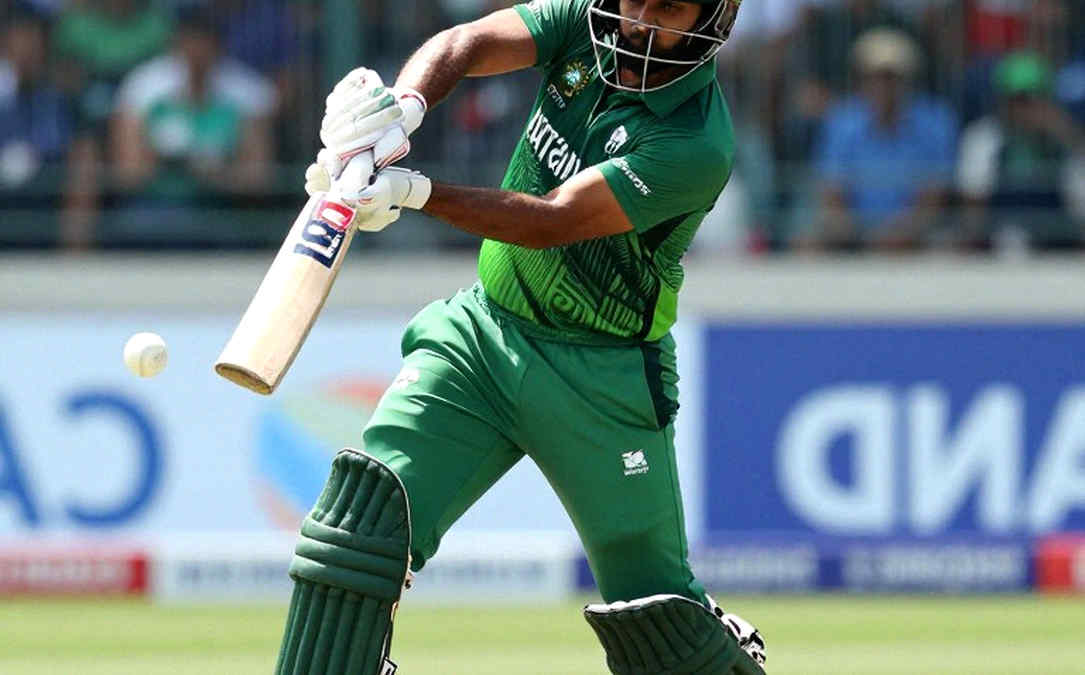
The first real use of blockchain in cricket will not be collectibles; it will be the domestic player's pay ledger. Three conditions already exist there: two clearly identified parties, repeated transactions, and an openly acknowledged deficit of trust. A scorebook has a human writer; a chain has code. That is the difference that matters.
Smart contracts are less tidy than the pitch suggests. Suppose a domestic bowler's contract says a fixed sum for a fixed number of appearances. The scorecard is not produced by a machine; it is produced by a match referee or an operator seated at scoring software. When data enters from outside, immutability helps in exactly one place: later, nobody can alter the entry, and that can be proven. Who played and who was rested remains a human decision.
A chain can make an entry impossible to alter; it cannot make the entry true. That is the dark edge, and cricket explains it through DRS. Ball tracking records the trajectory without bias, but it does not give out or not out — the umpire does. UltraEdge keeps the record, it does not deliver the verdict. Blockchain keeps the same division of labour: keeping evidence and judging are separate jobs.
Ticketing offers a different temptation. Before a big match in Bangladesh, the black market is no secret, and counterfeit tickets are not rare. The blockchain pitch is simple: each ticket is a unique entry, useless a second time; the organiser can set a royalty on resale. It sounds clean. But when someone tells me the model cut counterfeiting by a certain percentage, my question stops in one place — what is the sample size? Which board, which season, whose arithmetic?
Publicly, that comparative dataset does not yet exist. Attendance shifts, empty-seat counts, black-market price spreads — no league has measured these consistently. From 55 empty-stadium matches I once watched, the lesson holds: environmental effects need hundreds of matches on identical yardsticks, and five or ten matches of enthusiasm will not hold a conclusion.
Collectibles and fan tokens are sold loudest, and that is where proof is thinnest. The promise of supporter participation in club or board votes carries hidden conditions. In many cases the poll is advisory, not binding; the small print lives in the terms of service. Ten thousand supporters vote on a jersey colour and nothing changes. The numbers show participation, not authority.
Player brand deals enter here too. When a cricketer signs as an ambassador for a digital collectible or fan token, the contract usually carries a conduct clause. What can be said publicly, where the brand ends and personal opinion begins — that boundary is stitched inside the agreement. The player's voice is arranged more carefully, and that quiets the conversation off the field. Match performance does not change; the space to speak narrows.
On integrity, separately. Bookmaker calls, abnormal betting, suspect overs — this information lands in many hands, on paper, in email, across agency files. A tamper-evident log genuinely helps there: who filed the note and when, and whether anyone later changed it. But from a bribery suspicion to a sanction there is a staircase — evidence, investigation, hearing, appeal. The chain stiffens the first step, not the last.
Having carried my scepticism this far, I owe the counter-ledger. I opened the proof ledger and found places where this record-keeping has worked. Royalties and payments to cricketers in overseas leagues move across currencies; a time-stamped entry settles the dispute over when money moved. Provenance certificates deter forged memorabilia. Anti-corruption files let several agencies read the same log without trusting one another.
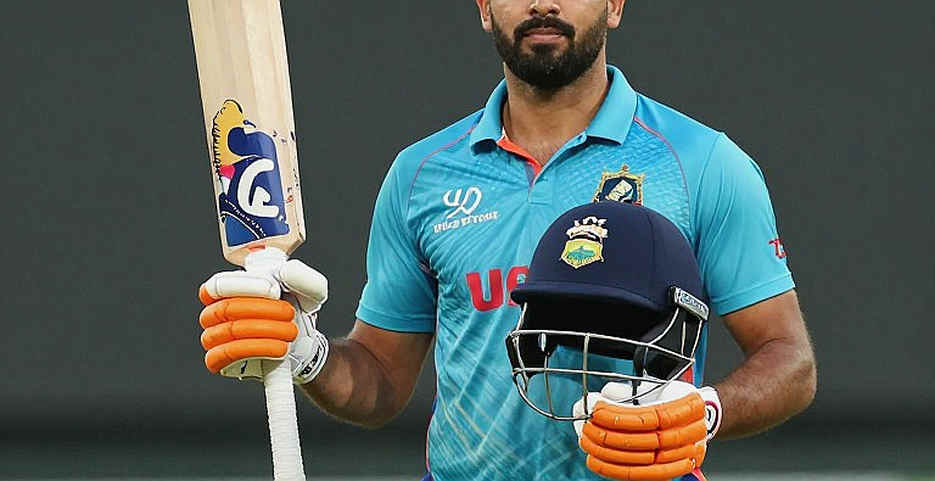
Even so, the era must be stated. Three years — the 2026 rush and the 2026-23 slide — cannot deliver a verdict on a technology. Remember how many years umpiring technology and ball tracking needed to settle. A community reading a fallen token price as a failed technology is judging a bat by the price of the sticker on it.
One balance more. Data can make one claim: how likely, how often. The eye makes a different claim: whether the plan was right, whether the hands shook under pressure, whether the intent was honest. Assigning each its own brief reduces the conflict. A ledger can say a player's payment was six months late; only the dressing room can say what that did to him.
I end facing forward. Over the next few domestic seasons, the thing to watch is whether any board voluntarily publishes an auditable payment ledger that supporters, journalists and players can all read. The technology is the secondary question. The primary one is who holds the key, and how much of the ledger a board decides to keep open.
Sample size: the claims here rest on two published partnership announcements, two investment reports, and three years of market cycle from 2026 to 2026. That is enough to read a trend, not to deliver a verdict.