
Who Paid for the Bag? Caddie Labour, Broadcast and the Reputation Ledger
**মূল উত্তর:** ২০২৫ সালের মে মাসে সিজে কাপে শুরু হওয়া আলেহান্দ্রো তোস্তি ও ক্যাডি ক্লিফ এলিসের অংশীদারিত্ব বিল্টমোর চ্যাম্পিয়নশিপ অ্যাশভিলে মাঝ-রাউন্ডে শেষ হয়, যখন এলিস ব্যাগ নামিয়ে বাইব খুলে ফেলেন। ঘটনাটি বিধি-লঙ্ঘন নয়; এটি ক্যাডি-শ্রম, সম্প্রচার-অবকাঠামো ও খ্যাতি-ঝুঁকির বিষয়। **মূল তথ্য:** - মে ২০২৫-এ সিজে কাপ থেকে শুরু হওয়া অংশীদারিত্বে তোস্তি ও এলিস প্রায় চার মাসে মাত্র তিনটি কাট করেছিলেন। - প্রথম রাউন্ডে তোস্তির স্কোর ৭২; এলিস চলে যাওয়ার পর গ্যালারির এক দর্শক নয় গর্ত ব্যাগ বহন করেন। - দ্বিতীয় রাউন্ডে বদলি ক্যাডি নিয়ে স্কোর ৭১, এবং তোস্তি কাট মিস করেন। - গলফ চ্যানেলের ফুটেজে ১৮ নম্বর গ্রিনের আগে উত্তপ্ত বিনিময় ধরা পড়ে; ১৮ নম্বর ছিল তাঁদের দিনের নবম গর্ত। - গলফের নিয়ম ১০.৩ অনুযায়ী ক্যাডি বাধ্যতামূলক নয়, আর ক্যাডির হেঁটে যাওয়ায় খেলোয়াড়ের কোনও পেনাল্টি হয় না। **সূত্র:** GOLF.com-এর প্রতিবেদন, ২০২৫ সালের গলফ মৌসুম; ক্যাডি ক্লিফ এলিসের বক্তব্য দ্য টি বক্স গলফ শো পডকাস্টে; খেলোয়াড় আলেহান্দ্রো তোস্তির বক্তব্য গলফউইকের সাংবাদিক অ্যাডাম শুপাককে। ইভেন্টের সাংগঠনিক স্তর এখনও যাচাই করা যায়নি। **সম্ভাব্য Next প্রশ্ন:** প্রশ্ন: ক্যাডি মাঝ-রাউন্ডে চলে গেলে খেলোয়াড়ের পেনাল্টি হয় কি? উত্তর: হয় না — নিয়ম ১০.৩ অনুযায়ী খেলোয়াড় ক্যাডি ছাড়াও খেলতে পারেন এবং রাউন্ডের মধ্যে ক্যাডি বদলাতে পারেন। প্রশ্ন: গ্যালারির দর্শক ক্যাডি হিসেবে ব্যাগ বহন করা বৈধ কি? উত্তর: বৈধ, তবে দর্শক ক্যাডি আচরণবিধির আওতায় থাকেন না, যা ভবিষ্যতে সততা-সংক্রান্ত নীতির প্রশ্ন তৈরি করতে পারে। প্রশ্ন: তোস্তির বর্তমান Form নিয়ে কী বলা যায়? উত্তর: প্রতিবেদনে স্ট্রোকস গেইনড বা র্যাঙ্কিং ডেটা না থাকায় একমাত্র পরিমাপযোগ্য সংকেত চার মাসে তিনটি কাট।
Cliff Ellis did not say much before he took the bib off.
First round, Biltmore Championship Asheville, The Cliffs at Walnut Cove, Arden, North Carolina. Ellis was carrying Alejandro Tosti's bag through the closing stretch of the day. Just short of the 18th green there was a brief but animated exchange; Golf Channel cameras caught it. Then the caddie dropped the bag, removed his bib, and walked. On tour, the bib is a caddie's credential and his commercial surface. Stripping it on camera is how a resignation gets announced.
For the remaining nine holes of that round, Tosti took a spectator out of the gallery to carry for him.
The most quoted detail of the whole affair belongs here: on that 18th hole they had 136 yards in, a wedge. He could not see the green. The grandstand sat behind it, and the only read on where the ball finished came from the noise of the crowd. That is information about visibility, not about shot quality. One sentence tells you what kind of story this is.
Then the scores. A 72 in round one. A 71 in round two with a replacement caddie. Then a missed cut. The partnership began at the CJ Cup in May 2026 and ran roughly four months; across that run the pair made three cuts. Everything else is zero — no ShotLink data, no strokes gained, no world ranking points.
My interest is not in the golf. It is in the ledger: who paid for the week, and at what price the bag changed hands.
What can be verified, and what cannot
Ellis took the bag in May 2026 at the CJ Cup. That mid-season hire is the first signal. On the caddie market, a mid-season deal is usually the product of an alternative, not a first choice. A partnership that starts in May and ends in a visible mid-round resignation lasted four months.
One gap needs stating plainly, because much of the analysis will step around it. The report calls Tosti a "PGA Tour player," but the event and venue named do not correspond to any PGA Tour stop I can confirm. Three explanations are possible: a lower-tier or feeder-circuit event in which a PGA Tour member was competing; loose journalistic shorthand; or an event absent from the public record I can reach. Until the event tier is verified, the significance of the missed cut cannot be fixed — on a feeder circuit it is a career problem, on the full tour it is an ordinary week.
The second piece of context almost nobody notices is the one that created the drama. By Ellis's own account the pair started from the back nine; the 18th was their ninth hole of the day. The event used a split-tee, two-wave start, the standard way of fitting a large field into daylight. The confrontation therefore landed at the turn of the round, not on the closing hole.
The two accounts do not agree on substance. Ellis says he walked after an animated exchange short of the 18th, following a week of accumulating friction. Tosti told Golfweek's Adam Schupak only that he thought Ellis had gone to a restroom on the 18th hole. The Golf Channel footage proves an animated interaction occurred. It proves nothing about why.
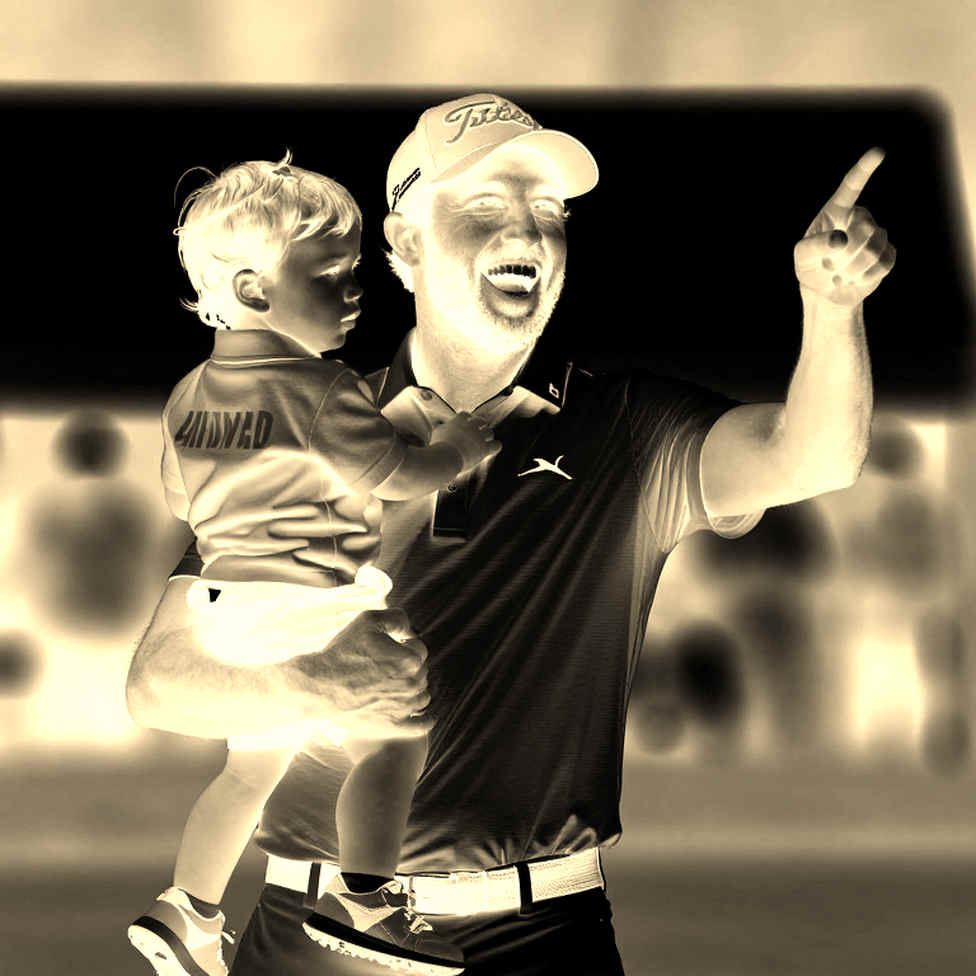
A bag is a job, not a partnership
Tour caddies are independent contractors: a weekly base fee plus a percentage of the player's winnings, scaled to finish position. They have no union, no grievance procedure, no contractual standing inside the player conduct framework. That is where the real architecture of this story sits. On the player's side there are institutions — rules, a commissioner, conduct policy, a communications department. On the caddie's side there is only custom. Walking mid-round forfeits the week's fee and, in practice, usually the relationship.
And this particular week billed twice. A missed cut means no prize money; no prize money means no caddie percentage. The cost of a failed week lands hardest on the least protected professional in the arrangement. When I work on tour-media questions I open a spreadsheet — one tab, no audience, rows and rows of line items. In that tab for this story, the least reported line item is cut conversion and the most reported line item is an umbrella.
On regional circuits I have seen this labour model at another scale. At several Asian Tour events the caddies are often local club caddies on a day rate, with nothing written down and prize percentages agreed verbally. From my first year running a one-man analytics blog in Kuala Lumpur I built two habits: every post opened with one hard number, and every claim carried one named human source. A retired major at Kurmitola once sent me a two-line reply by email; I printed it and pinned it above my desk. The reason is clearer now: in the labour economy of this sport, the people doing the work usually go unnamed. Ellis is the exception, and that is exactly what made him news.
Years of standing behind greens at tournaments taught me one thing. If the man behind the last green is holding both a bag and a golf shot, the heavier of the two is usually the bag.
This cannot be turned into a rules controversy
Rule 10.3 is clear. A player is not required to have a caddie, and may add or replace one during a round provided he does not unduly delay play. A caddie is not a competitor subject to the Rules of Golf either. So no stroke penalty, fine or disqualification attaches to anyone for walking off. Nowhere in the account does a rules official, warning or disciplinary review appear. An incident with no rules remedy becomes a media event precisely because it cannot become an officiating event.
The number that did not make the headline
Three cuts in four months. By tour standards that is a weak run, and that run is the backdrop that turns a walk-off from an outburst into a symptom.
Two rounds — 72 and 71 — say nothing about form. The score improved by one with a replacement caddie; drawing a conclusion from a single round is exactly the small-sample error I try to avoid in my own work. The only meaningful performance datum in the report is the cut-conversion rate, and the coverage gave it the least weight.
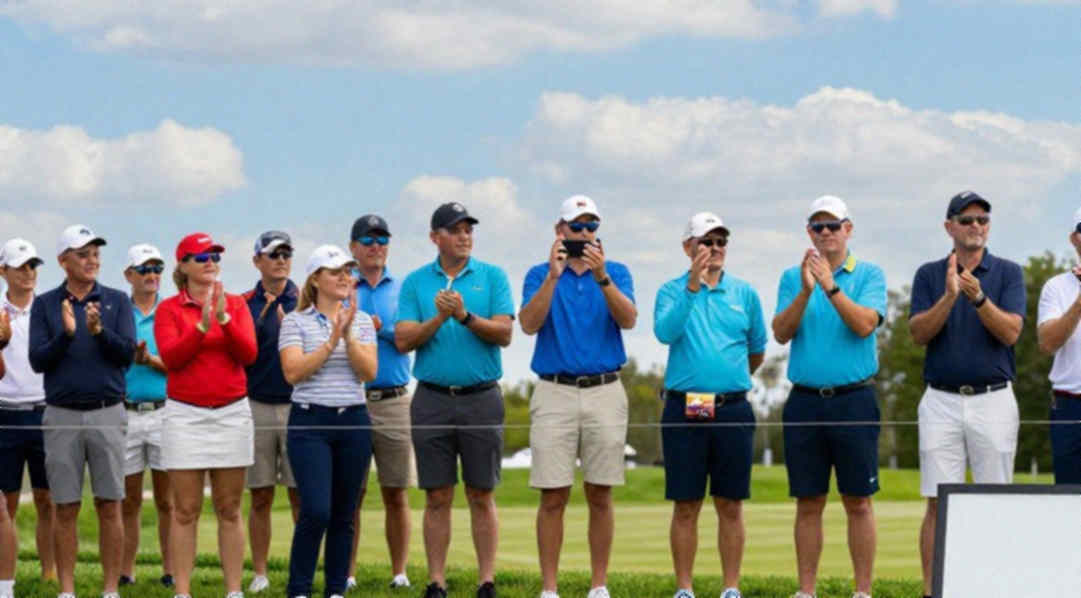
Broadcast infrastructure manufactured a news event
The same argument on the 4th hole would probably have gone uncaptured, and this article would not exist. The 18th green — grandstand, crowd, camera density — combined with a split-tee start is what made the moment visible. Nobody decided this; the infrastructure did. An event's broadcast and spectator design often determines which incidents become news and which do not. I first learned that in 2026, when sport stopped and empty-stadium footage was the only material available: camera position selects the story.
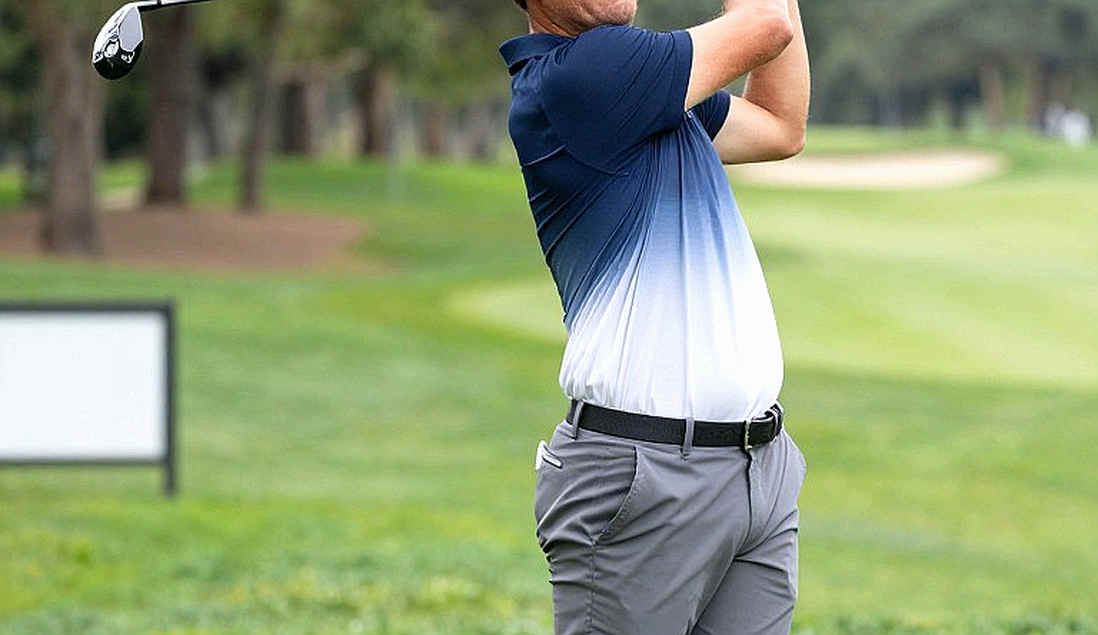
From podcast to headline: the disclosure economy
Ellis gave his account to a golf podcast, The Tee Box Golf Show, not to a tour grievance channel and not to a traditional reporter. That account then became the news, and mainstream outlets wrote it up. The modern golf media supply chain runs like this: an insider talks on a podcast, the clip circulates, an outlet writes it, the podcast gains subscribers. The podcast is not merely a platform in this chain; it is the first publisher.
In my first year of blogging I learned that source precision outperforms traffic. The fourth Fairway Lab post — a strokes-gained breakdown of Siddikur Rahman's 58th-place finish at Rio 2026 — was linked by TheGolfHouse in Dhaka and drew 4,200 reads. It travelled because the number was checkable, not because the event was big. Here the reverse has happened: the checkable number sits outside the footage.
Sympathy is what makes the complaint heavy
Midway through his sharpest criticism, Ellis also said Tosti is "a very nice, off-the-course gentleman" and is "cordial to fans." When a departing employee volunteers praise for the employer, the criticism loses the smell of revenge. It becomes credible — which is worse for the player, because the easiest defence ("the caddie is settling a score") has already been closed off.
That same praise is also Tosti's best defence: the problem is situational, not characterological — in-round pressure and a management failure. To those already disposed to see him as difficult, that is confirmation. To those who have not formed a view, it is a quiet signal that this is not an off-course problem.
The second reversal is the uncomfortable one. The most dramatic fact in this story is the headline; the most expensive fact is a footnote. Three cuts in four months is a career problem for a fringe player. One costs reputation, the other costs a card. The coverage chased the first.
The third reversal is administrative. The wholly ungoverned decision here is handing a spectator the bag for nine holes. The Rules permit it, so no official intervention arises. But a member of the public performing caddie duties sits outside the conduct framework that binds professional caddies — outside the integrity, advice and wagering-adjacent exposure they carry. No violation is alleged here, and I allege none. The hygiene question remains, and at lower-tier events with thin officiating, that solution is more likely to recur.
The umbrella and the range argument over where the bag was placed should not be waved away. They are the diagnosis. Serious breakdowns emerge from accumulated fracture, and the fuel is usually trivial. Ellis described a whole week as "ludicrous," "off-the-wall and insane." An umbrella is not enough reason to explain a week.
One thing should be said plainly, because burying it makes the analysis fake: LIV Golf, Saudi capital and the tour-merger frame have no place in this story. Forcing that lens on it is a category error.
What to watch
First, the next two to four events: whether Tosti names a permanent caddie. The caddie market is small, socially interwoven and reputation-sorted, and an on-camera walk-off is a permanent, searchable reference. A quick, stable hire means the damage is contained; a rotating or empty bag means it is not.
Second, a four-week window: whether Ellis speaks again. One or two more interviews extend the cycle; silence suggests the account is complete.
Third, and most important over time: whether Tosti makes cuts in consecutive starts. A run of steady results makes the "difficult player" label commercially survivable, and golf's established rehabilitation template reopens — in this sport, on-course temperament stories are forgiven quickly if the scoreboard cooperates.
One question I will leave open, because nobody has the answer yet: the cameras and the podcasts are now in place to hear from the people who carry the bags. If this episode turns out to be the first visible precedent in caddie labour rather than a curiosity, the next question is whether visibility produces a fix, or only this month's conversation.